
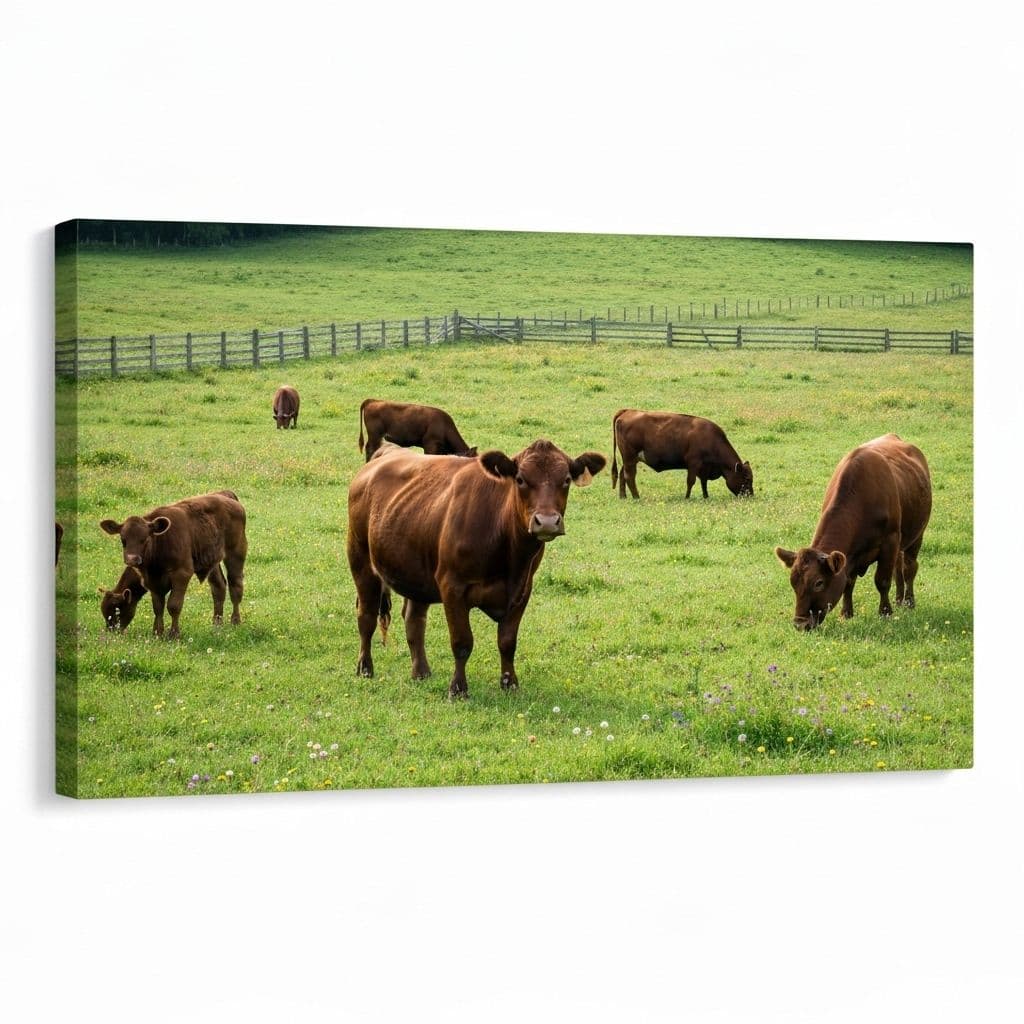
Most ranchers weigh cattle a few times a year, usually when the animals are already in the chute for something else. That's not because weight doesn't matter. It's because weighing is a hassle.
What a weight tells you
When to sell. Calves hit their target weight on their own schedule, not yours. If you know the weight, you sell at the right moment instead of guessing from the truck.
Whether the feed is working. Feed is the biggest cost on most operations. Weight gain is the only honest measure of whether a ration is paying for itself.
Who's sick. An animal often loses weight before it looks sick. Catch it early and treatment is cheaper and more likely to work.
Which animals to keep. Comparing calf weights at the same age shows you which cows and bulls are doing their job.
Why nobody weighs weekly
A scale weighing means gathering the herd, pushing animals through the chute one at a time, and holding each one still. It takes hours, it takes people, and it's stressful for the cattle. Handled cattle go off feed and can take days to get back to normal gains.
So the thing you'd want to do every week gets done once a quarter. The numbers in between are guesses.
What changes when weighing is easy
If weighing does not require a chute or handling, you can weigh when you're already in the pasture. It's not a special event, just part of the walk-through. Then:
- Sick animals show up in the numbers before they show up in the pen.
- Ration changes show their effect in weeks, not months.
- Sale timing is based on a number, not a look.
- Cull decisions are based on real weight.
That's what we're building. The app estimates weight from a guided phone scan to within ±3%. No chute, no scale. If you want to try it before the October 2026 beta, join the waitlist.
Ready to Transform Your Cattle Operation?
Join the waitlist for CattleWeight AI and be among the first to experience contactless cattle weighing with your smartphone. Partner with us to shape the future.